Looking after your gear
A little care makes kit last longer and play better. The essentials, by category.
🏸 Rackets
- Never leave your racket in a hot car or on a sunny windowsill — heat can warp the frame and soften the glue holding it together.
- Check the grommets (the little plastic eyelets the strings pass through) now and then, and replace any that are cracked before they fray your strings.
- Store your racket in a cover or a padded bag to protect it from knocks, dust, and sudden temperature changes.
- Try not to clash rackets with your partner in doubles — even a small crack in the frame can turn into a snapped racket later.
- Wipe the frame and handle down after play so sweat and grime don't build up over time.
- If you spot a crack anywhere on the frame, stop using the racket — playing on a damaged frame risks it breaking mid-shot.
🧵 Strings
- A handy rule of thumb: restring as many times a year as you play per week. So if you play twice a week, restring about twice a year — even if nothing's snapped.
- String tension drops gradually as the strings stretch, so your racket can feel dead and powerless long before a string actually breaks.
- Higher tension gives more control but less power, and it's harder on your arm — so beginners are usually better off starting low and working up.
- If a string breaks, cut the rest out promptly — leaving a racket half-strung puts uneven pressure on the frame.
- Keep a note of the tension you liked so you can ask for the same again, or tweak it, next time you restring.
👟 Shoes
- Use only non-marking indoor court shoes — soles that won't leave scuff marks. A lot of gyms ban anything else and will turn you away.
- Never wear running shoes or outdoor shoes on court — their soles grip poorly, and badminton's quick sideways movement can lead to slips and ankle injuries.
- Keep a dedicated pair for indoor play only — grit from the sidewalk ruins the grip and can scratch the court.
- Let your shoes air out and dry fully between sessions instead of leaving them sealed in a bag — that keeps odor and dampness down.
- Replace your shoes once the tread wears smooth or the cushioning feels flat underfoot — even if the uppers still look fine. Worn soles lose grip and support.
- If the soles feel slippery, wipe them with a slightly damp cloth before play — dust on the sole is a common cause of slipping.
🪶 Shuttles
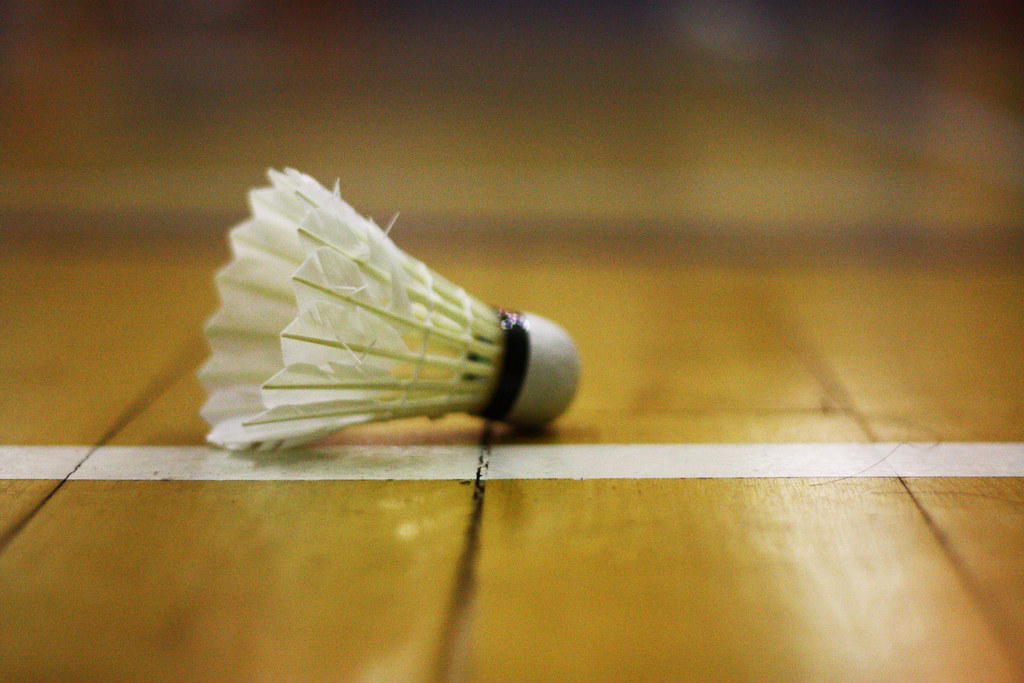
- Feather shuttles are delicate and break easily, so handle them gently — and expect to go through several in a single competitive session.
- Feathers are sensitive to humidity — in dry conditions they dry out and turn brittle, which makes them snap sooner.
- To revive a brittle tube of feathers, hold the open tube over the steam from a kettle for a little while — that puts some moisture back into the feathers.
- Rotate the shuttles you're using during a session so the wear spreads out, instead of wrecking one shuttle fast.
- Store shuttles flat in their tube somewhere cool, and keep them away from hot or very dry spots like a heater vent.
- Want shuttles that last far longer and cost less over time? Synthetic (nylon) shuttles are a smart choice for casual and beginner play — they just fly a little differently from feathers.
✊ Grips
- An overgrip is a thin extra layer wrapped over the handle — the cheapest, easiest thing to refresh. Replace it as soon as it feels slick or slippery.
- Towel grips — the soft, cloth-style ones that soak up sweat — should be swapped out once they harden or stop absorbing, since they hold onto moisture and bacteria.
- Sweaty hands wear grips out faster, so if you sweat a lot, keep a spare overgrip or two in your bag.
- Wash your hands before playing to keep oils and dirt off the grip, which helps it last a little longer.
- When you wrap a new overgrip, overlap each turn slightly and keep it firm — but not stretched to the breaking point — for a smooth, even feel.